
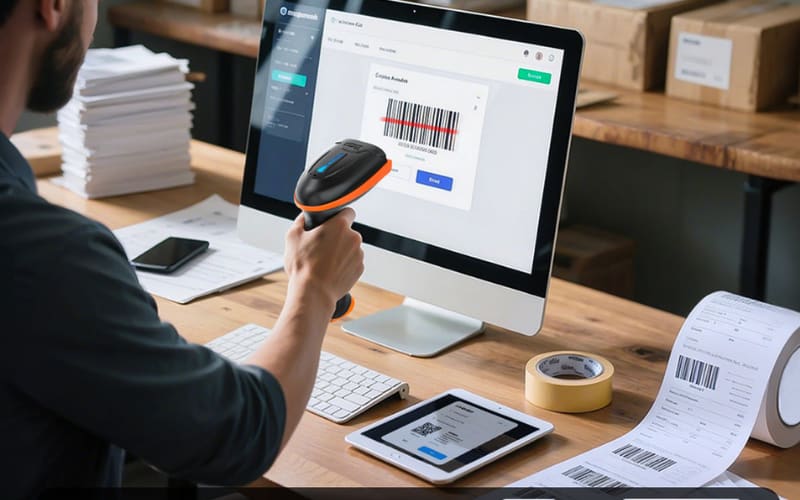
In today’s digital business environment, barcode technology has become an essential part of retail, logistics, eCommerce, and inventory management. Every product sold in supermarkets, online stores, warehouses, and retail chains usually contains a barcode that helps businesses identify and track products efficiently. A reliable Barcode Lookup system allows users to search and retrieve product information instantly using UPC and EAN codes.
Barcodes are now deeply connected with modern automation. Businesses depend on barcode systems to improve accuracy, speed up operations, and reduce human errors. Consumers also use barcode scanning tools to compare prices, verify products, and learn more about items before making purchasing decisions. As online shopping and digital inventory systems continue growing worldwide, the demand for accurate barcode databases is increasing rapidly.
One platform supporting this growing demand is BarcodeReport, a website focused on UPC and EAN barcode data and related services for global users. Businesses and developers often use barcode databases to integrate barcode scanning features into applications, inventory systems, and retail software solutions.
Understanding How Barcode Systems Work
A barcode is a machine-readable code that contains product information in the form of numbers and lines. Barcode scanners or smartphone cameras read these codes and convert them into digital data that computer systems can process instantly. This technology helps businesses identify products quickly without manually entering product details.
The two most common barcode formats are UPC and EAN. UPC codes are widely used in North America, while EAN codes are commonly used internationally. These barcode standards allow businesses across different countries and industries to maintain consistent product identification systems.
A modern Barcode Lookup tool works by matching a barcode number with a product database. When someone enters or scans a barcode, the system searches for related information such as product name, manufacturer, category, dimensions, and other specifications. This process happens within seconds and helps businesses improve operational efficiency significantly.
The Importance of Barcode Data in Retail
Retail businesses rely heavily on barcode systems for daily operations. From scanning products at checkout counters to tracking inventory inside warehouses, barcodes simplify many business processes. Without barcode systems, retailers would struggle to manage large inventories accurately.
Using a professional Barcode Lookup platform helps retailers maintain organized product databases and avoid duplicate listings. Accurate barcode data improves inventory management, reduces pricing errors, and supports better customer service.
Retailers operating on online marketplaces also benefit from barcode verification. Many eCommerce platforms require valid UPC or EAN codes before products can be listed. Incorrect barcode information can cause listing issues, reduced visibility, or product mismatches. Reliable barcode databases help sellers avoid these problems and maintain accurate product catalogs.
Businesses using platforms such as BarcodeReport gain access to extensive barcode information that supports both physical and digital retail operations.
Why Businesses Need Barcode Lookup Services
Modern businesses manage thousands or even millions of products across multiple sales channels. Keeping product information accurate becomes extremely difficult without automated systems. A dependable Barcode Lookup service helps companies organize product data more efficiently while reducing operational mistakes.
Businesses use barcode lookup tools to verify products, identify inventory, and synchronize data between warehouses, online stores, and retail locations. Accurate barcode information improves communication across departments and ensures consistency in product records.
For companies involved in logistics and distribution, barcode systems help track products throughout the supply chain. Products can be scanned during manufacturing, packaging, shipping, and delivery, creating real-time visibility into inventory movement.
Reliable barcode databases also help businesses maintain compliance with marketplace standards and global product identification systems.
Barcode Lookup for Developers and Applications
Software developers increasingly integrate barcode technology into applications and business systems. Barcode APIs allow developers to build mobile apps, inventory systems, and barcode scanning tools that retrieve product information instantly.
Developers often require structured UPC and EAN data to create reliable applications. This is where platforms like BarcodeReport become useful because they provide barcode data resources that developers can integrate directly into software systems.
A strong Barcode Lookup API can support various applications, including retail POS systems, warehouse software, mobile shopping apps, logistics platforms, and supply chain management tools. Barcode integration improves automation while reducing manual input requirements.
For example, a mobile shopping app can scan a product barcode and immediately display product details, pricing, reviews, and specifications. Similarly, warehouse systems can automatically track inventory movement through barcode scanning.
As digital transformation continues across industries, barcode APIs are becoming increasingly valuable for businesses seeking automation and efficiency.
The Role of Barcode Lookup in eCommerce
The eCommerce industry depends heavily on structured product data. Online marketplaces use barcode identifiers to organize product listings and connect buyers with the correct products. Without accurate barcode information, product listings may become inconsistent or duplicated.
A reliable Barcode Lookup system helps eCommerce businesses maintain accurate product catalogs and improve marketplace performance. Barcode verification reduces errors in product matching and helps sellers manage inventory more effectively.
Accurate barcode data also improves customer trust. Shoppers expect correct product information, images, and specifications when shopping online. Inconsistent product data can create confusion and increase return rates.
Search engines also favor websites with well-structured product information. Clean product data improves indexing, enhances search visibility, and supports better SEO performance for eCommerce stores.
Businesses using barcode databases can improve product organization while creating a better user experience for online shoppers.
Barcode Technology and Inventory Management
Inventory management is one of the most important uses of barcode technology. Companies handling large inventories need systems that allow them to monitor stock levels accurately and efficiently.
A professional Barcode Lookup solution helps warehouse teams identify products instantly during receiving, storage, packing, and shipping processes. Barcode systems reduce manual inventory errors and improve operational speed significantly.
Accurate inventory tracking helps businesses avoid stock shortages and overstocking problems. Companies can monitor product movement in real time and maintain better control over supply chain operations.
Warehouse automation also depends heavily on barcode systems. Employees scan products using handheld devices or mobile applications to update inventory records automatically. This reduces paperwork and improves overall productivity.
Many businesses rely on platforms like BarcodeReport to access structured barcode data that supports inventory management systems and warehouse operations.
Barcode Lookup for Consumers
Barcode lookup technology is not only useful for businesses. Consumers also use barcode scanning tools regularly through smartphones and shopping applications. Many shoppers scan products to compare prices, verify authenticity, or learn more about product details before buying.
A reliable Barcode Lookup service allows users to access product information instantly. This improves shopping transparency and helps consumers make more informed purchasing decisions.
Mobile barcode scanning apps are especially popular in industries such as grocery shopping, electronics, cosmetics, and health products. Consumers often compare products online after scanning barcodes inside physical stores.
This growing consumer behavior has increased the importance of maintaining accurate barcode databases. Businesses that provide reliable product information build stronger customer trust and improve brand credibility.
The Importance of Accurate Barcode Databases
Barcode systems are only effective when the underlying data is accurate. Poor-quality barcode databases can create serious operational problems for businesses and developers.
Incorrect barcode information may lead to shipment errors, incorrect product listings, inventory discrepancies, and customer complaints. Businesses relying on inaccurate product data risk damaging their reputation and losing customer trust.
A trusted Barcode Lookup provider helps businesses reduce these risks by offering verified and structured barcode information. Accurate barcode data supports automation, improves efficiency, and enhances customer experiences.
Maintaining high-quality barcode databases requires continuous updates and verification processes. Product catalogs change frequently, so businesses need access to current and reliable information.
Platforms such as BarcodeReport help organizations manage barcode data more effectively while supporting global barcode standards.
Barcode Lookup and Supply Chain Operations
Global supply chains involve complex product movement between manufacturers, warehouses, distributors, and retailers. Barcode systems help businesses track products efficiently throughout every stage of distribution.
A reliable Barcode Lookup platform improves supply chain visibility by allowing companies to identify products instantly during shipping and receiving operations.
Barcode scanning reduces delays, improves package tracking, and helps businesses respond quickly to operational challenges. Real-time inventory visibility also improves forecasting and reduces waste.
Many logistics companies depend on barcode technology to improve efficiency and maintain accurate shipment records. Automated barcode systems support faster order fulfillment and better customer satisfaction.
As global commerce continues expanding, barcode-driven supply chain systems will become even more important for businesses worldwide.
Mobile Technology and Barcode Innovation
The rise of smartphones has transformed barcode technology dramatically. Modern mobile devices can scan UPC and EAN barcodes using built-in cameras, making barcode scanning more accessible than ever before.
Businesses now integrate barcode scanning features directly into mobile applications to improve customer convenience and operational efficiency. Consumers use barcode scanning apps for shopping, product verification, inventory management, and digital payments.
A modern Barcode Lookup system supports these mobile experiences by providing instant access to structured product information. Businesses integrating mobile barcode solutions gain a competitive advantage through improved automation and customer engagement.
Platforms like BarcodeReport support developers and businesses seeking barcode data for mobile applications and digital platforms.
The combination of mobile technology and barcode databases continues shaping the future of retail and digital commerce.
SEO Benefits of Barcode-Based Product Data
Structured product information is important for search engine optimization. Search engines use product data to understand website content and display relevant search results to users.
Accurate barcode information helps businesses maintain organized product catalogs and consistent metadata across multiple platforms. This improves indexing and supports better search visibility.
A professional Barcode Lookup service contributes to SEO performance by helping businesses avoid duplicate listings and inconsistent product descriptions. Search engines favor websites with accurate and well-structured product data.
For large eCommerce stores managing thousands of products, barcode systems simplify catalog management while improving overall website organization.
Structured barcode data also supports rich product snippets in search results, increasing click-through rates and improving user engagement.
The Future of Barcode Lookup Technology
Barcode technology continues evolving alongside automation, artificial intelligence, and digital commerce systems. Although newer technologies such as RFID and QR codes are growing, UPC and EAN barcodes remain essential because of their simplicity and global standardization.
Future barcode innovations may include smarter inventory systems, AI-powered product recognition, and enhanced mobile scanning technologies. Businesses investing in barcode infrastructure today are preparing for more automated and data-driven operations in the future.
A dependable Barcode Lookup platform will remain important for businesses seeking accurate product information and operational efficiency. Barcode databases will continue supporting retail automation, supply chain management, and eCommerce growth worldwide.
Companies using trusted services like BarcodeReport can improve product management, streamline operations, and support long-term digital transformation goals.
Conclusion
Barcode technology has become a critical part of modern business operations. From retail stores and warehouses to mobile applications and online marketplaces, barcode systems support efficient product identification and automation across industries.
A reliable Barcode Lookup solution helps businesses, developers, and consumers access accurate product information instantly using UPC and EAN codes. Accurate barcode data improves inventory management, enhances customer experiences, supports SEO strategies, and strengthens supply chain operations.
Platforms such as BarcodeReport provide valuable barcode resources for businesses and developers integrating barcode scanning into applications and operational systems. As global commerce continues evolving, barcode lookup technology will remain an essential tool for managing products efficiently in an increasingly digital world.